



Introduction
SEO and content marketing are no longer separate things in 2026. A few years ago, it was possible to “do SEO” by focusing mainly on keywords, backlinks, and technical tweaks. It was also possible to “do content” by simply publishing blogs and hoping traffic would come. That approach no longer works. Search engines have evolved, user behaviour has changed, and the internet is more crowded than ever. Today, SEO and content exist as one combined system. If your content is not useful, SEO will not save it. And if your content is good but invisible, it will never reach the right audience. This guide explains how SEO and content marketing actually work today, what has changed, and how beginners can create content that ranks in 2026 without chasing outdated tactics.
How SEO and Content Have Changed by 2026
SEO in 2026 is no longer about gaming algorithms. Search engines are far better at understanding meaning, intent, and usefulness than they were even a few years ago. Google’s systems now focus heavily on whether content genuinely helps users, answers real questions, and demonstrates experience or understanding of the topic. This shift has reduced the effectiveness of shallow content created only to target keywords.
Another major change is the dominance of search intent. Search engines are no longer satisfied with content that simply mentions a keyword. They want content that fully matches what the user is trying to achieve. Someone searching for a definition expects clarity and simplicity. Someone searching for a comparison expects depth and balance. Someone searching for a solution expects practical guidance. Content that ignores intent, no matter how well-optimized technically, struggles to rank.
Zero-click searches have also increased. Many users now get answers directly on the search results page. This means ranking is no longer just about traffic, but about visibility, authority, and trust. Content must be structured clearly, answer questions directly, and provide value even when users skim rather than read word by word. This shift explains why most content doesn’t rank anymore and what actually works now.
Why Content Is the Core of SEO in 2026
In 2026, content is the primary ranking signal. Technical SEO and backlinks still matter, but they cannot compensate for weak or unhelpful content. Search engines evaluate how thoroughly a topic is covered, how clearly ideas are explained, and how well the content aligns with user expectations.
Good content today is not defined by length alone. Longer content does not automatically rank better. What matters is depth, clarity, and relevance. A focused article that answers a specific problem well can outperform a longer article that tries to cover everything but explains nothing clearly.
Originality also matters more than ever. This does not mean inventing new concepts, but presenting information in a way that shows understanding. Content that simply rewrites what already exists without adding clarity, structure, or insight struggles to stand out. Search engines can now detect when content offers no new value to the ecosystem.
Trust signals play a role here as well. Clear explanations, logical flow, balanced perspectives, and realistic expectations all contribute to content that feels trustworthy. Content that overpromises results or relies on hype tends to lose credibility with both users and search engines.
What Type of Content Actually Ranks in 2026
Content that ranks in 2026 is usually problem-focused rather than keyword-focused. Instead of targeting broad terms, successful content addresses specific questions, situations, or challenges users are facing. This is especially important for new websites that cannot compete immediately for highly competitive keywords.
Beginner-friendly guides perform well when they are genuinely helpful and not condescending. Many users searching for SEO or content advice are overwhelmed by complexity. Content that explains ideas calmly, clearly, and without unnecessary jargon builds trust and keeps readers engaged.
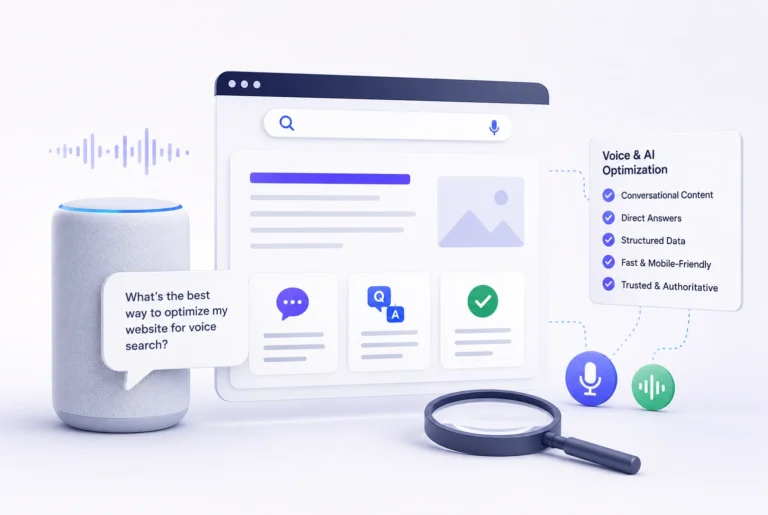
Long-tail content also plays a major role. Queries are becoming more conversational, especially with voice search and AI-assisted search interfaces. Content that naturally answers these longer, more specific queries has a higher chance of ranking and attracting qualified traffic.
Answer-driven sections are another key factor. Clear headings, direct explanations, and structured answers help search engines understand what the content offers. This also improves the chances of appearing in featured snippets or AI-generated summaries, which are becoming more prominent.
How SEO and Content Work Together Today
SEO and content are not two separate tasks done one after the other. In 2026, they are planned together from the start. Keywords are still used, but they serve as direction rather than the core objective. They help identify topics, questions, and user intent, not dictate every sentence.
On-page SEO is now more about clarity than optimization tricks. Proper headings, readable paragraphs, logical structure, and internal linking all help search engines understand content better. These same elements also improve user experience, which indirectly supports rankings.
Internal linking has become increasingly important for building topical authority. Connecting related content helps search engines understand which topics a site covers deeply. It also keeps users engaged by guiding them to relevant information rather than forcing them to search again.
Consistency matters more than volume. Publishing fewer high-quality articles consistently is far more effective than publishing many low-quality ones. Search engines observe patterns over time, and consistency signals seriousness and reliability.
Common SEO and Content Mistakes in 2026
One of the most common mistakes is publishing AI-generated content without human review. AI tools can assist with research and drafting, but content published without editing often lacks nuance, accuracy, or originality. Search engines are increasingly effective at identifying this kind of low-effort content.
Another mistake is chasing high-volume keywords without considering competition or intent. New websites often target terms that are already dominated by authoritative sites. This leads to frustration and slow progress. Focusing on achievable topics builds momentum and confidence.
Writing for algorithms instead of humans is another issue. Over-optimization, unnatural keyword usage, and robotic phrasing harm readability and trust. Content that feels unnatural to readers rarely performs well in the long run.
Ignoring user experience is also costly. Long blocks of text, unclear structure, slow-loading pages, and poor formatting reduce engagement. Search engines pay attention to how users interact with content, not just what the content contains.
Where AI Fits in SEO and Content Marketing
AI plays an important role in modern SEO and content workflows, but it is not the strategy itself. In 2026, AI works best as an assistant rather than a replacement. It can help with idea generation, outlining, research, and optimization suggestions. However, human judgment remains essential.
Search engines continue to reward content that demonstrates understanding, experience, and clarity. AI can support these goals, but it cannot replace them. The most effective approach is a hybrid one, where AI improves efficiency and humans ensure quality, relevance, and trustworthiness.
Using AI responsibly also helps avoid risks. Over-reliance on automation often leads to content that feels generic or disconnected from real user needs. Human review ensures content remains grounded, accurate, and aligned with intent.
How Beginners Should Approach SEO and Content in 2026
Beginners should focus on understanding their audience before worrying about rankings. Knowing who the content is for, what problems they face, and what questions they ask makes every other decision easier. SEO becomes far more effective when content is created with a clear audience in mind.
Choosing topics carefully is critical. Instead of trying to compete with established sites immediately, beginners should focus on niche questions, specific problems, and underserved topics. This approach builds topical relevance and attracts the right kind of traffic.
Patience is essential. SEO and content marketing are long-term strategies. Results rarely appear overnight, especially for new sites. Consistency, learning, and gradual improvement matter more than quick wins.
Finally, beginners should ignore shortcuts. There are no tricks that guarantee rankings in 2026. Sustainable growth comes from publishing useful content, improving over time, and adapting to how search engines and users evolve.
Conclusion
SEO and content marketing in 2026 are about usefulness, clarity, and trust. Search engines reward content that genuinely helps users and demonstrates understanding of the topic. By focusing on real value instead of outdated tactics, beginners can build content that ranks, lasts, and grows over time. The goal is not to outsmart search engines, but to serve users better than alternatives.